From a Wildlife Park Visit to Wildlife Conservation: What Do You Study to Protect Wildlife?
Meeting animals such as koalas, kangaroos, birds, or reptiles during a wildlife-park visit can prompt a powerful question: *how are wild animals actually protected?* That question can be a good starting point for exploring Wildlife Conservation, Zoology, Ecology, or Environmental Biology.
It is important, though, to distinguish a visitor experience from conservation work. Animal encounters can build curiosity and appreciation, but conservation is long-term work that brings together biological science, habitat management, animal welfare, population data, policy, and community engagement.
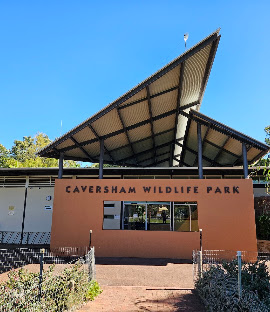
Caversham Wildlife Park in Western Australia describes the role of educational ambassador animals: animals in human care can help visitors learn about their wild relatives and raise conservation awareness.[1] The park also explains that breeding programmes can help maintain insurance populations, support reintroduction, and document husbandry knowledge and research.[2] This is useful learning context, not proof that a short visit or one institution alone can solve conservation challenges.
What do students learn in this field?
Wildlife Conservation is not simply “learning to care for animals”. Students may learn how species interact with habitats, how populations are monitored, why genetic diversity matters, and how conservation decisions are made from evidence.
Curtin University, for example, says its Environmental Biology and Ecology major covers zoology, botany, ecology, and genetics, alongside environmental monitoring through field activities, laboratory and computer-based skills, experimental design, and statistics.[3] These skills help with real questions: which species live in an area, what is changing in a habitat, and what data is needed before action is taken.
At UWA, the Wildlife Conservation Extended Major focuses on unique Australian fauna and the processes that shape biodiversity; its course page lists pathways such as wildlife officer, fauna consultant, graduate research officer, conservation biologist, zookeeper, and zoologist.[4] These roles are not guaranteed outcomes, but they show the field can involve varied work—in the field, laboratory, education, consulting, or research.
Three things you should enjoy
Before choosing a degree, consider whether you enjoy:
- Observation and science. You are interested in recording patterns, measuring, reading data, and testing questions—not only seeing animals.
- Fieldwork and teamwork. Conservation may involve outdoor surveys, but also working with ecologists, communities, government agencies, and animal-care professionals.
- Communication and patience. Scientific findings must be translated into reports, public education, or recommendations that other people can understand.
Choose a programme by the learning experience, not the name alone
When comparing programmes, look for evidence of fieldwork, laboratory work, statistics, GIS or spatial mapping, research projects, ethics, and work-integrated learning. Also check whether the programme emphasises ecology, genetics, animal behaviour, environmental management, or marine science—because “wildlife” can lead to very different specialisations.
Do not choose this field only because you want to be close to animals. Wildlife Conservation also requires care with data, an understanding of habitats, and readiness for questions without quick or simple answers. On the other hand, if you enjoy combining science, nature, and social impact, it can be a meaningful study path.
RIM Education can help you compare Australian programmes that fit your interests—such as Ecology, Zoology, Environmental Biology, Marine Science, or Environmental Science—and check admission requirements. Contact RIM Education to discuss your options.
Programme details, course availability, and wildlife-park activities can change. Use official institution and course pages as your starting point before making a decision.[1][3][4]