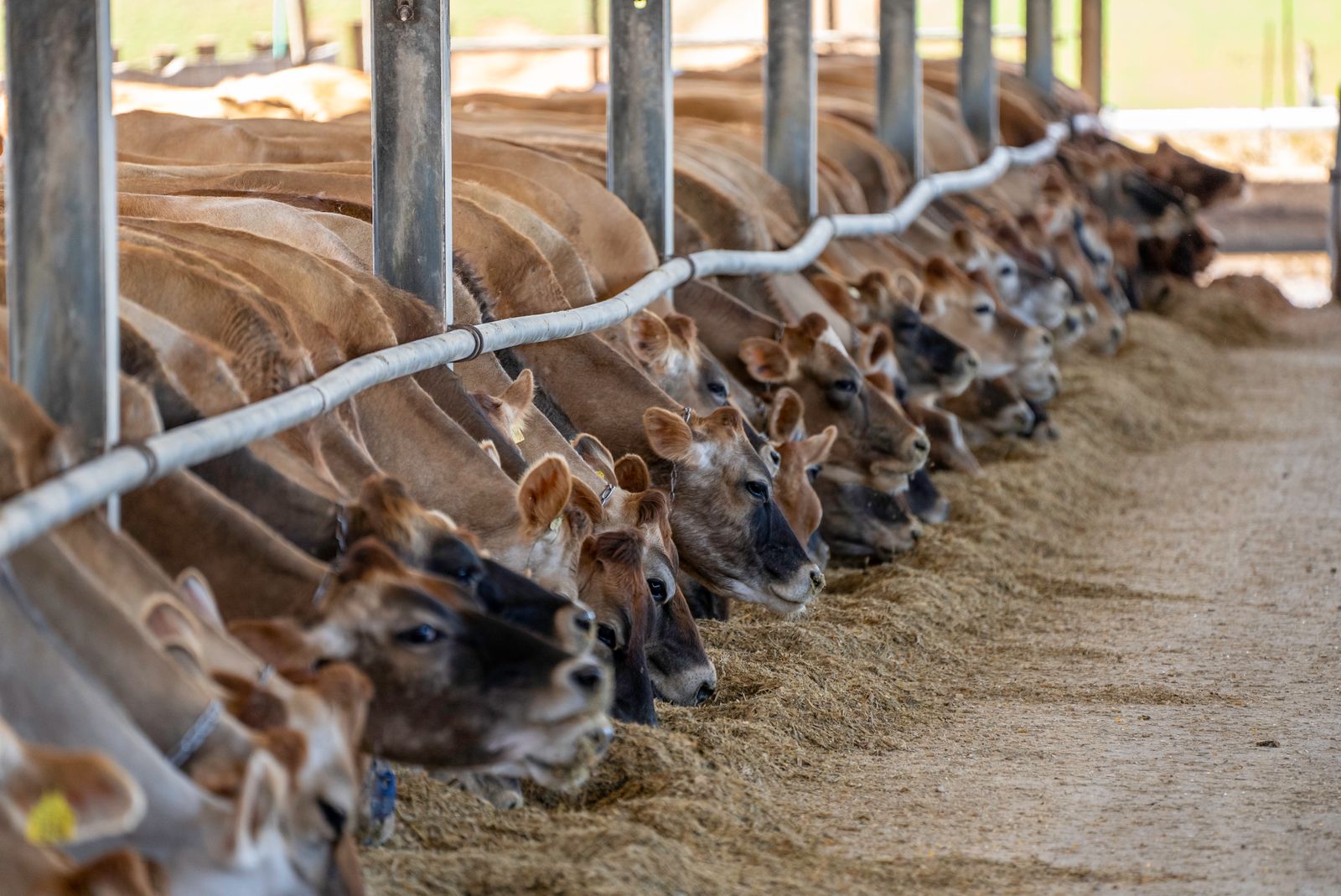
Learning from Temple Grandin: Animal Science, Animal Welfare, and Observation-Based Design
Temple Grandin is known for contributions to animal science, animal welfare, and livestock-handling design. For future students, her story is not a reason to treat one person as the answer to every question in livestock systems. Its lasting value is a method: observe animal behaviour seriously, test solutions in the field, and connect knowledge with better everyday practice.
Colorado State University (CSU) describes Grandin as an animal sciences professor who teaches livestock behaviour and handling. CSU also explains that her facility designs and approach have aimed to support more humane livestock handling.[1][2]
Animal Science: broader than farming
Animal Science studies animals through biological science, food production, health and welfare, nutrition, reproduction, genetics, behaviour, management, and production systems. Course focus and depth vary between universities.
If you are interested in animals, the starting question is not only, “I like animals—what degree should I choose?” Ask instead:
- Am I comfortable studying biology, chemistry, data, and scientific processes?
- Do I want to understand animal behaviour, welfare, nutrition, genetics, or production systems?
- Am I more interested in fieldwork, research, policy, food business, technology, or education?
- Am I ready to treat animal welfare, human safety, and ethics as part of professional decision-making?
An interest in animals is a good beginning, but Animal Science calls for scientific care and readiness to face real-world questions.
First lesson: observe from the animal’s perspective
CSU describes how Grandin used visual thinking to understand environmental details that could cause livestock to stop or become distressed during handling. In one CSU account, a cattle-handling bottleneck was linked to sunlight coming through an opening; when the disturbance was covered, animal movement improved.[1]
The lesson is not that every problem has the same simple solution. The lesson is to avoid immediately blaming animals or workers. Begin with observation: light, sound, floor texture, movement pathways, space, work rhythm, and communication can all affect behaviour.
This approach is useful across animal welfare, veterinary-related work, environmental design, food systems, and user-centred design.
Animal welfare needs evidence and responsibility
Animal welfare is not simply about having good intentions toward animals. Students need to learn how to frame questions, collect evidence, understand standards, and assess how a decision affects animals, workers, producers, and communities.
CSU notes that Grandin developed a welfare-evaluation approach using practical measures, including a vocalisation score in the context she describes.[2] That illustrates an important principle: handling quality should be assessed through indicators that can be observed and acted on, not through assumption alone.
Methods, standards, regulations, and professional practice always depend on region, species, institution, and advances in the field. Do not apply or judge welfare systems from a popular article alone; use relevant training, procedures, and authoritative sources.
Why does facility design matter too?
In Animal Science, design does not always mean creating a large building. It can mean considering pathways, lighting, surfaces, gates, waiting areas, equipment access, worker safety, and an animal’s experience within a system.
CSU explains that Grandin’s curved cattle chute design draws on natural cattle behaviour and was intended to make handling more efficient.[2] For students who enjoy science and problem-solving, this shows how Animal Science can intersect with engineering, architecture, data, and design thinking.
At university, look for learning opportunities that offer:
- safe and ethical practical or fieldwork;
- observation and recording of animal behaviour;
- statistics or data-analysis foundations;
- discussion of animal welfare, food systems, and sustainability;
- faculty research or problem-based projects;
- scientific communication for public or industry audiences.
Temple Grandin and inclusive learning
CSU identifies Grandin as an autistic scholar and links visual thinking with the way she has worked to understand problems.[2][3] The useful takeaway is not to make assumptions about all autistic people or all learning styles. Every person has different experiences and needs.
The broader lesson is that universities and workplaces work better when they make room for diverse ways of thinking, clear communication, accessible learning support, and assessment focused on capability. If you need academic adjustments or disability support, ask about official university policies during the application stage rather than waiting until difficulties arise.
Four practical steps while at school
1. Strengthen your science foundation
Choose and master subjects relevant to course requirements, commonly Biology and Chemistry; some programmes may also assess Mathematics or Physics. Check every university’s requirements individually.
2. Practise observation, not only opinion
When visiting a farm, zoo, veterinary clinic, or environmental activity—where permitted and safe—record what you see: behaviour, environmental conditions, unanswered questions, and sources used.
3. Seek responsible experience
Volunteering, school projects, or visits can help test your interest. Choose organisations that prioritise safety, animal welfare, and honest learning; do not pursue animal interaction simply for content.
4. Document questions and process
For a portfolio or personal statement, record more than achievements. Explain the problem you noticed, data or references you looked for, what you learned, and how your thinking changed.
Choosing an overseas study path
Programme names can vary: Animal Science, Animal Behaviour and Welfare, Agricultural Science, Veterinary Bioscience, Livestock Production, or related fields. Similar names do not guarantee the same content.
When comparing universities, read the curriculum, facilities, learning locations, fieldwork ethics, assessment methods, and career pathways presented officially. Verify entry requirements, subject prerequisites, English requirements, fees, scholarships, visas, accommodation, and deadlines directly with institutions and applicable government channels.
RIM Education can help you map programme options and prepare a more structured overseas-study application. Talk with RIM Education about your study direction.
Important note: this article is an educational introduction, not medical, veterinary, or animal-welfare-practice guidance. Programmes, subjects, facilities, requirements, fees, scholarships, regulations, and visa rules may change. Use official university requirements and appropriate professional standards before making an application or practice decision.[1][2]
Sources
[1] https://source.colostate.edu/temple-grandin — Temple Grandin: CSU’s one-of-a-kind mind [2] https://agsci.source.colostate.edu/temple-grandin-lifetime-achievement-award-denver-business-journal — Temple Grandin receives lifetime achievement award – CSU [3] https://agsci.colostate.edu/open-door — Temple Grandin: An Open Door – CSU