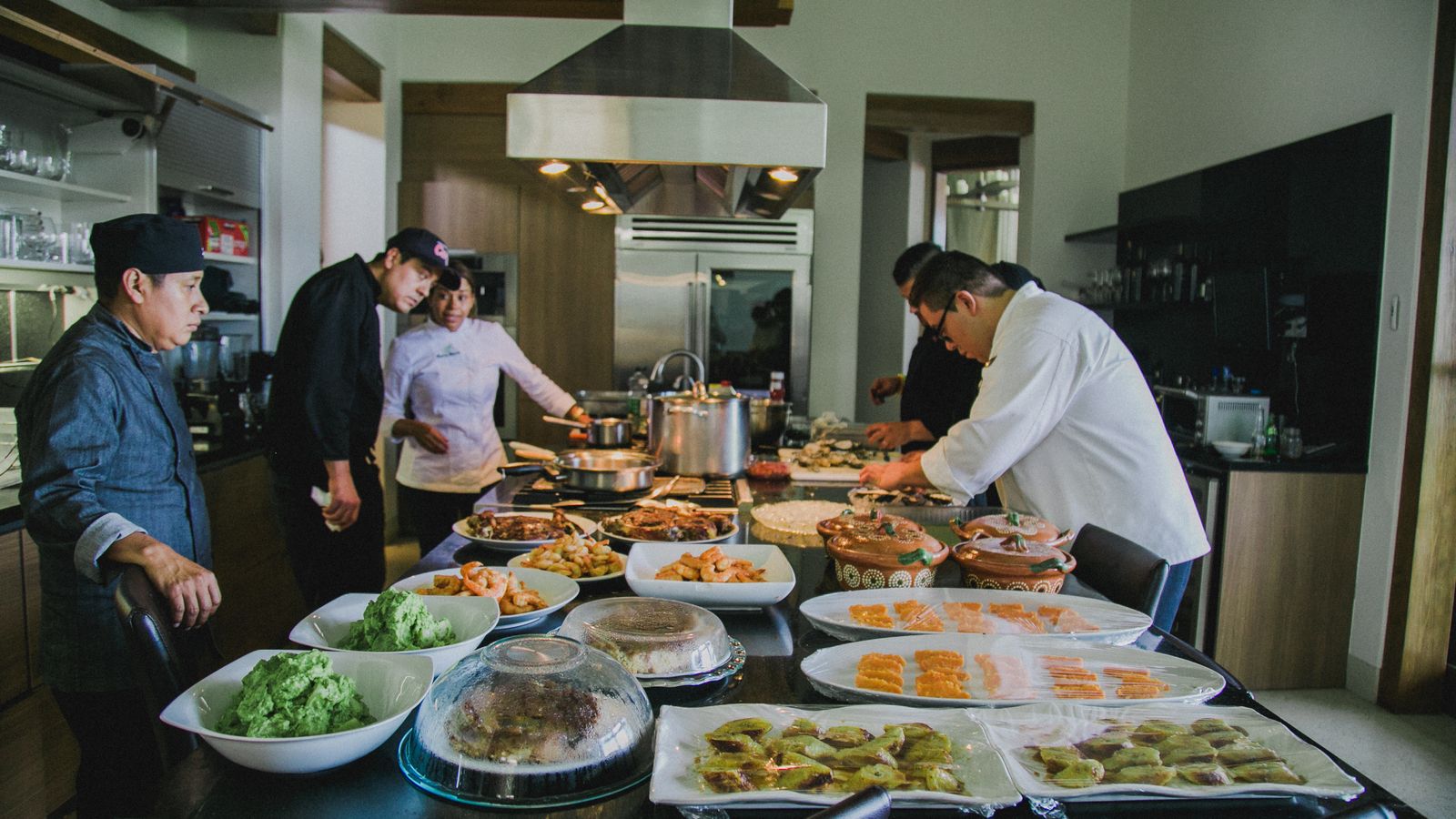
Study Culinary Arts in Switzerland: Meet Culinary Arts Academy Switzerland
For students who want to cook professionally while understanding the food business, the right culinary school needs to offer more than recipes and kitchen technique. Culinary Arts Academy Switzerland (CAAS) combines hands-on culinary learning with business, creativity, and industry experience in Switzerland.[1][2]
It can be an appealing path for future chefs, pastry professionals, and food entrepreneurs who want to build kitchen skills while learning how food concepts and businesses are developed.
Study routes: from diploma to master’s
CAAS offers several full-time routes that include internships: the Professional Swiss Diploma in Culinary Arts and Professional Swiss Diploma in Pastry Arts, each one year with one internship; the Bachelor of Arts in Culinary Arts and Bachelor of Arts in Pastry, Bakery & Chocolate Arts, each three years with two internships; and the Master of Arts in Culinary Business Management, one year with one internship.[2]
Each option serves a different starting point. A diploma may suit someone who wants to focus on practical capability early. A bachelor’s route is better suited to school leavers seeking a longer culinary-study experience with academic and business components. The master’s programme is positioned for career changers, food and beverage entrepreneurs, and culinary enthusiasts seeking management skills, food concepts, recipe development, and a business plan.[2]
What is covered in the culinary bachelor’s route?
The official Bachelor of Arts in Culinary Arts page describes a three-year structure with two internships, 1,100 practical kitchen hours in its early stage, and an opportunity to operate a 50-seat restaurant open to the public.[3]
Early subjects include classical-cooking fundamentals, culinary operations, food safety and sanitation, and French. Later stages cover regional cuisine, global gastronomy, baking and pastry, nutrition, kitchen leadership, fine dining, food-cost management, wine and beverages, and sustainable food-product development.[3]
The final year shifts further into business with subjects such as business planning, culinary tourism, strategic marketing for the food industry, financial accounting, and food and beverage concept management.[3] This blend can suit students who picture themselves not only working in a kitchen, but also leading teams, managing a restaurant, or developing a food brand.
Campus, qualifications, and what to check
For the Bachelor of Arts in Culinary Arts, CAAS lists Le Bouveret and Brig as study locations, with January 2027 displayed as the next intake when the page was checked.[3] The programme states two qualification outcomes: a Bachelor of International Business in Culinary Arts from Culinary Arts Academy Switzerland and a Bachelor of Arts (Honours) in Culinary Arts from the University of Derby, UK.[3]
Before applying, check academic requirements, English-language requirements, fees, intake dates, internship availability, accommodation, and visa processes for your intended intake directly with the institution. If your documents are in Bahasa Indonesia, also confirm the accepted translation format.
RIM Education can help you compare culinary study routes, build a Switzerland study shortlist, and review your application-document readiness. Contact RIM Education to discuss your plan.
**Important:** Programme duration, intakes, structure, qualifications, fees, and entry requirements can change. Always confirm them on the official CAAS page for the programme and intake you choose.[2][3]
Sources
[1] https://www.culinaryartsswitzerland.com/id — Culinary Arts Academy Switzerland
[2] https://www.culinaryartsswitzerland.com/en/culinary-courses — Culinary Courses — Culinary Arts Academy Switzerland
[3] https://www.culinaryartsswitzerland.com/en/program/bachelor-degree-in-culinary-arts — Bachelor of Arts in Culinary Arts — Culinary Arts Academy Switzerland