Behind a Game Like GTA VI: Which Degrees Help Bring a Game World to Life?
Short answer: if a game world feels alive to you, programming is not the only relevant field. A strong game is made when ideas, technology, visuals, story, sound, player experience, testing and production all work together.
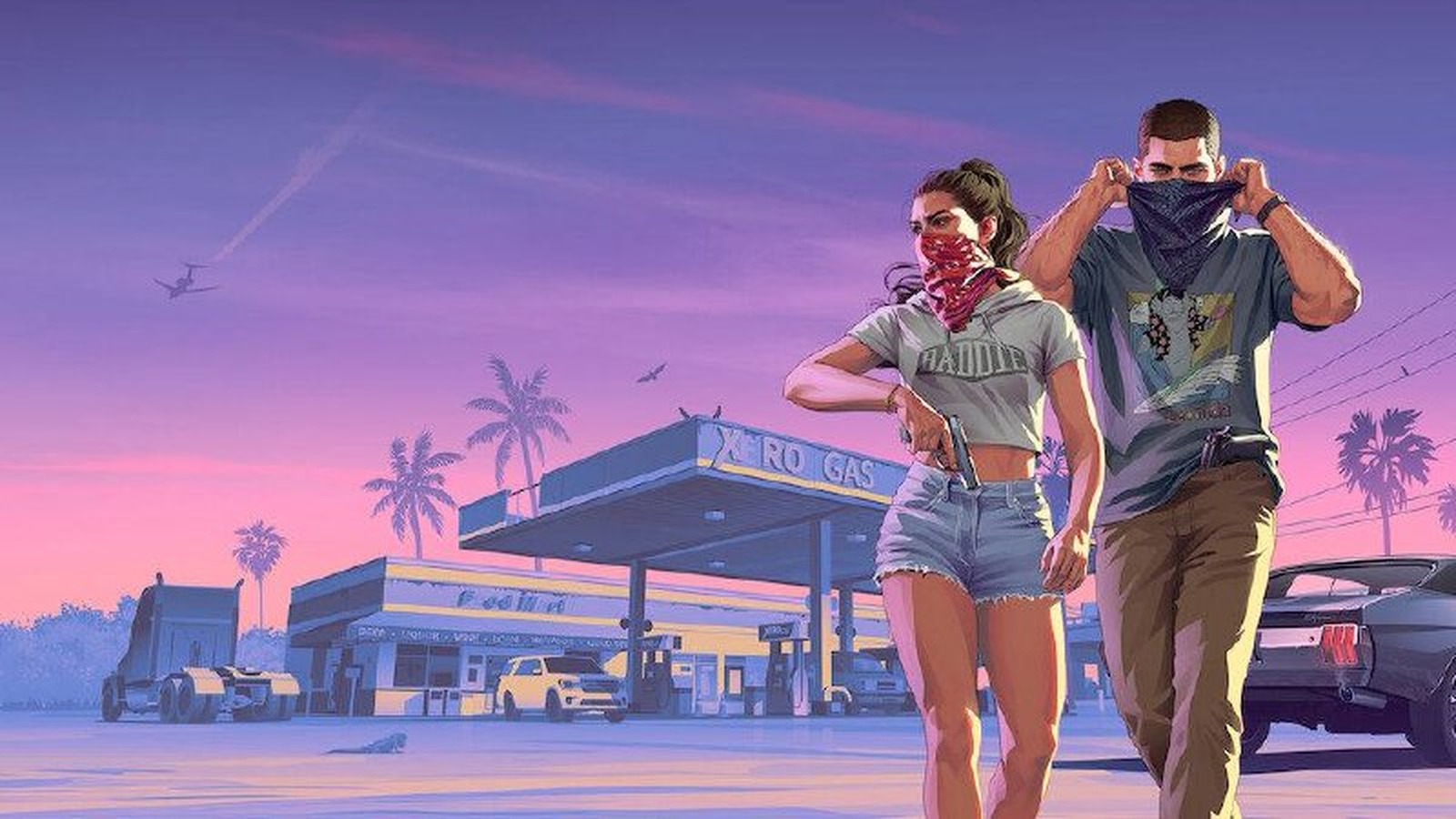
Rockstar’s official Grand Theft Auto VI page presents the world of Leonida, the story of Jason and Lucia, a visual gallery, and dedicated sections for radio, soundtrack and score.[1] That is not evidence of Rockstar’s internal team structure. It is, however, a useful reminder for prospective students that a complete game experience has many creative and technical layers.
Why are memorable games not made by programmers alone?
Programming makes systems function: characters respond to input, worlds load, menus work and performance is maintained. A game becomes compelling when those systems support design decisions, readable visuals, purposeful storytelling, atmosphere through sound, and player experiences tested repeatedly.
So the more useful question is not “Do I have to be brilliant at coding to enter games?” It is “Which part of the player experience do I want to help create?”
RMIT describes game and interactive-media learning through characters, environments, worlds, conceptual design, storytelling and specialist art, while also emphasising cross-disciplinary work.[2] This is one example of how games study can combine creative and technical practice rather than treating the field as a single skill.
Study fields that can meet in one game
1. Game Design and Interactive Media — shaping the player experience
This can suit students who ask: “What is the player trying to do?”, “How does this level teach a new mechanic?” or “Why does this choice feel satisfying?”
Study and practice can include game rules, level design, interaction flow, balancing, prototyping and testing whether an idea is actually enjoyable to play. Game design is not simply having ideas; it is turning ideas into decisions players can understand and teams can build.
2. Computer Science, Software Engineering or Game Programming — making systems work
This is a pathway for students who enjoy logic, problem-solving and building systems. In a game project, programmers may work on gameplay, tools, artificial intelligence, physics, networking, UI, optimisation or technical pipelines.
Programming matters deeply—but it works best in ongoing conversation with design, art, audio and QA. Good code still needs to serve player needs and production needs.
3. Art, 3D, Animation and Technical Art — giving a game world its form
Characters, environments, props, lighting, movement, visual effects and interfaces all need to have a coherent style while remaining readable during play. An Animation and Interactive Media pathway, for example, can bring together 2D and 3D animation, motion graphics, special effects and interactive environments.[3]
Technical artists work where art meets technology, helping visual assets move efficiently from creative practice into an engine. It can suit students who enjoy visuals but are also drawn to tools and problem-solving.
4. Narrative Design, Creative Writing and Worldbuilding — making a world worth remembering
Game story is not just long dialogue. A narrative designer may think about characters, missions, player choices, the rhythm of information, world descriptions and consistency of tone.
Students strong in reading, writing, research, languages or character building can explore this pathway. A helpful portfolio might include a short quest, interactive fiction, a world document, or a script that shows how story works with gameplay.
5. Audio, Music Technology and Sound Design — making actions feel meaningful
Footsteps, city ambience, music when a situation changes, dialogue and interaction effects shape how players understand space and emotion. GTA VI’s official page itself places radio, soundtrack and score in dedicated sections of the player-facing experience.[1]
Because players can move and choose their own direction, game audio needs to respond to action rather than simply run like a film soundtrack. Relevant pathways may include Sound Design, Music Technology, Audio Production or Screen and Media.
6. UX/UI, Accessibility and Player Research — helping players understand and enjoy a game
UI/UX helps players read information: maps, menus, mission indicators, settings and tutorials. Accessibility expands the ways people can interact with a game, such as through more flexible controls, visuals, text or audio.
This field can suit students who notice details: “Does the player know what to do?”, “Is the text readable?” and “Where does a player stop because they are confused?”
7. QA/Testing and Quality Engineering — finding problems before players do
QA is not simply “playing games all day”. Good testing requires observation, organised documentation, reproducible steps, communication with a team and an understanding of priorities.
It can suit students who are precise, enjoy analysing patterns and do not mind retesting. Testing skills can also be developed through Software Engineering and Quality Engineering pathways.
8. Production and Project Management — keeping many moving parts aligned
A game can have strong ideas and talented people yet still struggle to finish if communication, priorities, schedules, risks and workflows are not managed. Producers and project managers help disciplines work toward a shared plan without replacing their specialist expertise.
This may suit students who enjoy organising, breaking large work into smaller steps and helping other people work with greater clarity.
9. Data, Analytics, Community and Marketing — understanding a game’s relationship with players
After a game is played, teams need to understand how players find, use and respond to the experience. Data skills can help interpret patterns ethically; community and marketing can help communicate clearly with audiences.
Potentially relevant degrees include Data Analytics, Digital Marketing, Communications or Business, depending on the role and the curriculum a student chooses.
How should you choose a degree if you want to work in games?
Start with your strengths—not with one game title or one studio name.
- Love building rules, levels and prototypes? Explore Game Design or Interactive Media.
- Enjoy coding and solving bugs? Compare Computer Science, Software Engineering and Game Programming.
- Like drawing, modelling or creating movement? Look at 3D Art, Animation, VFX or Technical Art.
- Enjoy writing and building characters? Consider Creative Writing, Narrative Design or Digital Media.
- Sensitive to music and sound detail? Look into Sound Design, Music Technology or Audio Production.
- Like spotting errors and improving processes? Consider QA, Software Testing or Project Management.
When comparing universities, do not look only at the degree name. Read the units, view student projects, check facilities, ask how teamwork operates, and understand the final portfolio format. RMIT, for example, describes games learning that links conceptual design, storytelling, specialist art and cross-program collaboration.[2]
FAQ: Does a games degree guarantee a job at a major studio?
No. No degree guarantees a job at a particular studio—including Rockstar—or participation in a particular game. Study can help build foundations, collaboration habits and a portfolio; outcomes still depend on the projects you make, the capabilities you develop, available opportunities and selection processes.
You can start now with small work: a prototype, a short level, a 3D asset, an animation, a soundscape, an interactive story, a test plan or production notes. That process can help you discover which part of games you want to keep learning about.
Next step
Would you like to compare overseas programs in games, design, animation, IT or creative media based on your strengths and portfolio? Contact RIM Education to discuss programme options and application preparation.
Note: GTA VI is used only as popular-culture context drawn from Rockstar’s official page. This article does not state or imply a partnership between RIM Education and Rockstar, does not promise employment at Rockstar, and does not make claims about GTA VI’s internal production.
Sources
[1] https://www.rockstargames.com/VI — Grand Theft Auto VI - Rockstar Games [2] https://www.rmit.edu.au/study-with-us/design/game-design — RMIT: Game Design and Interactive Media [3] https://www.rmit.edu.au/study-with-us/levels-of-study/undergraduate-study/bachelor-degrees/bachelor-of-design-animation-and-interactive-media-bp203 — RMIT: Bachelor of Design (Animation and Interactive Media)