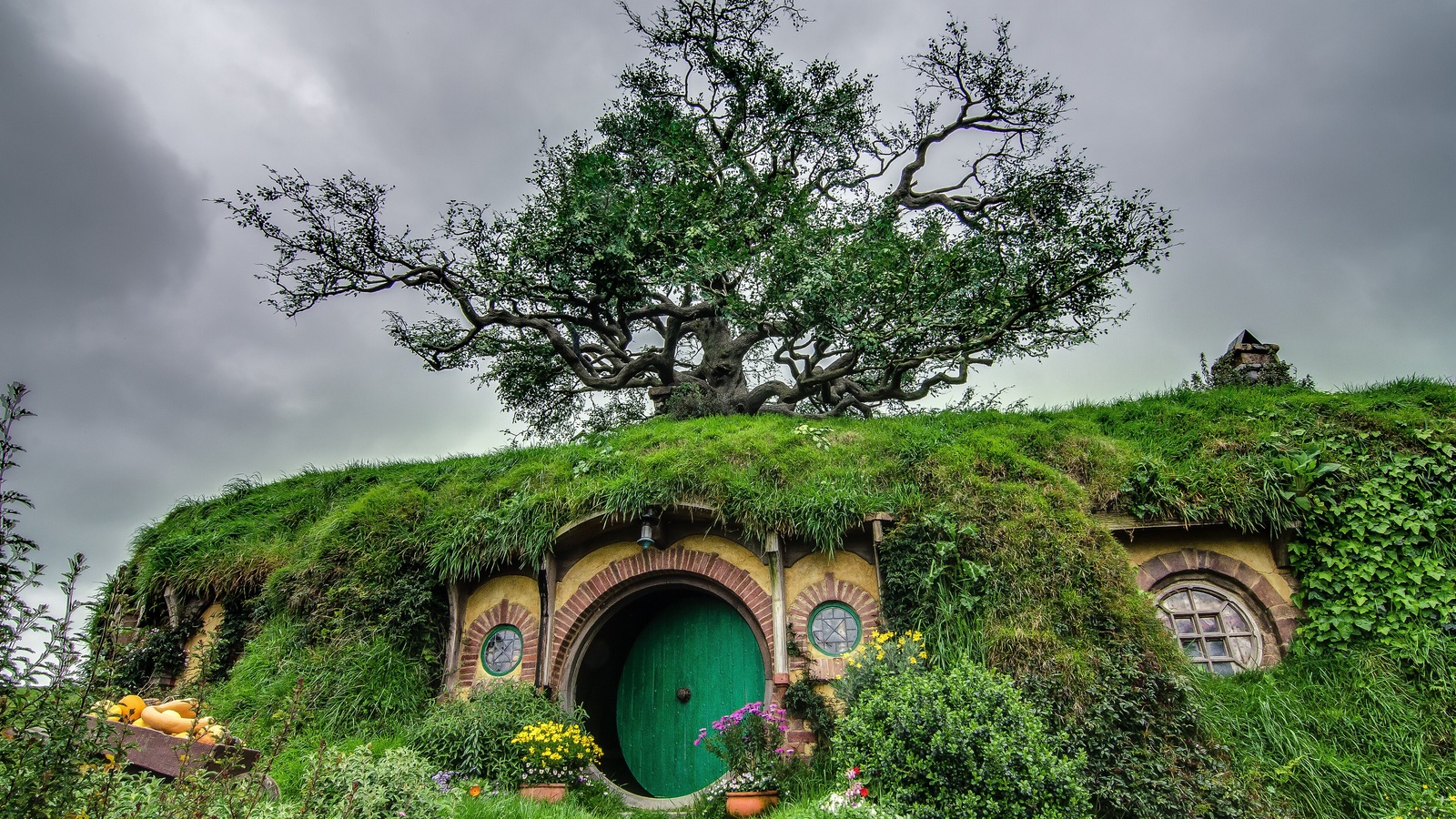
From Film Set to Screen & Media: What Hobbiton Can Teach Future Creative Students in New Zealand
Hobbiton Movie Set near Matamata, New Zealand, is more than a visitor destination for film fans. Its official site explains that the location was used for The Lord of the Rings and The Hobbit trilogies, and is now accessed through guided-tour experiences.[1] For prospective students, that context can lead to a more useful question: what skills help turn a story into space, moving images, visitor experience and coherent communication?
This is not a guide to entering the film industry or a promise of a creative career. It is a way to use a story-led location as inspiration for exploring Screen & Media, Film Production, design and creative-technology study.
Why is a film set relevant to prospective students?
A film set shows that a story does not exist in isolation. It involves visual choices, sound, space, rhythm, props, communication and audience experience. At a visitor location, that work also meets hospitality, interpretation, safety and the challenge of sharing a story with different audiences.
Hobbiton Movie Set describes guided experiences across its 12-acre set, including details of the set and how movie magic was made.[1] This does not mean every visitor sees every production process. It is, however, a useful reminder that screen work involves many roles and many creative decisions behind the scenes.
Which study fields can develop that interest?
Screen and Media Studies
Screen and Media Studies can suit students who want to understand media while creating work. The University of Waikato describes the field as combining critical understanding with hands-on experience in writing media content, constructing films, using and adapting media technologies, or designing games.[2]
At programme level, the University of Waikato offers Screen and Media Studies within the Bachelor of Arts and Bachelor of Social Sciences, as well as across other qualification levels.[2] Always check the current degree, major, minor, paper and entry requirements directly with the university for your intended intake.
Film Production and storytelling
If you are most interested in how ideas become moving images, look for a curriculum that includes production, writing, directing, editing, sound or project work. In the University of Waikato’s 2026 regulations, MEDIA102 Film Production 1: Telling Stories is listed as a practice paper connecting film-production theory with communicating ideas and storytelling; MEDIA202 extends creative film practice with moving image and sound.[3]
A paper list is only one example, not a promise of a particular production role. The important question is how a programme balances theory, practice, feedback, collaboration and portfolio development.
Creative Media, Design and Digital Arts
A story-led experience can also spark interest in visual design, animation, digital arts, games, user experience or creative communication. The University of Waikato also lists related routes such as the Bachelor of Communication: Creative Media, Bachelor of Communication: Media Production and Bachelor of Design.[2]
Choose based on how you want to make work. If you enjoy visual identity and user journeys, design may be the better fit. If you are drawn to camera work, sound or editing, media production may be more relevant. If you want to understand audiences, culture and media messages, Screen and Media Studies can offer a strong starting point.
Five lessons from experiences such as Hobbiton
1. Storytelling needs translation across forms. Stories can work through scripts, image, sound, space, interaction and visitor experience.
2. Visual detail should have a purpose. A prop, colour, composition or sound works best when it serves a story and its audience.
3. Collaboration is a core skill. Screen work and creative experiences usually involve people with different expertise.
4. A portfolio gains value when it includes reflection. Preserve your process, decisions, revisions and creative rationale—not only the final outcome.
5. Study is not automatic industry access. A degree can help you build skills and connections, but it does not guarantee employment, film projects or a placement.
How should you choose a Screen & Media programme in New Zealand?
Before choosing, compare these questions:
- Does the programme focus on media theory, production practice or a blend of both?
- Which skills are genuinely taught: writing, production, editing, sound, design, research or digital tools?
- Are there collaborative projects, studio feedback or portfolio-building opportunities?
- What are the academic and English-language requirements for international applicants in your intended intake?
- What are the total study and living costs, and what support is available in the campus and city?
FAQ: Do I need to be a film fan to study Screen & Media?
No. An interest in film can be a useful starting point, but Screen & Media can also suit students interested in stories, culture, communication, design, creative technology or how people respond to media. Check the paper structure and sample projects to judge whether the learning style fits your interests.
Plan your creative study pathway in New Zealand
Would you like to compare Screen & Media, Film Production, Creative Media or Design options in New Zealand? Contact RIM Education to discuss programme choices and application preparation. Entry requirements, fees and programme availability should be reconfirmed directly with your chosen institution.
Featured-image credit: “Hobbiton, New Zealand” by Tom Hall, used under the Creative Commons Attribution 2.0 licence via Wikimedia Commons.[4]
Sources
[1] https://www.hobbitontours.com — Hobbiton Movie Set Tours official site
[2] https://www.waikato.ac.nz/int/study/subjects/screen-and-media-studies — University of Waikato Screen and Media Studies
[3] https://www.waikato.ac.nz/int/study/subject-regulations/screen-and-media-studies/2026 — University of Waikato 2026 Screen and Media Studies regulations
[4] https://commons.wikimedia.org/wiki/File:Hobbiton,_New_Zealand.jpg — Wikimedia Commons: Hobbiton, New Zealand photo by Tom Hall (CC BY 2.0)