From Miracle Fruit to Food Science: How Is Food Taste Studied?
Imagine tasting a lemon and finding it sweet. The phenomenon associated with miracle fruit is a simple reminder that eating is not only about how much sugar a food contains; it is also about how our senses interpret taste. For prospective students, it is a useful entry point to Food Science—particularly sensory science, chemistry, food safety and product development.
What makes miracle fruit unusual?
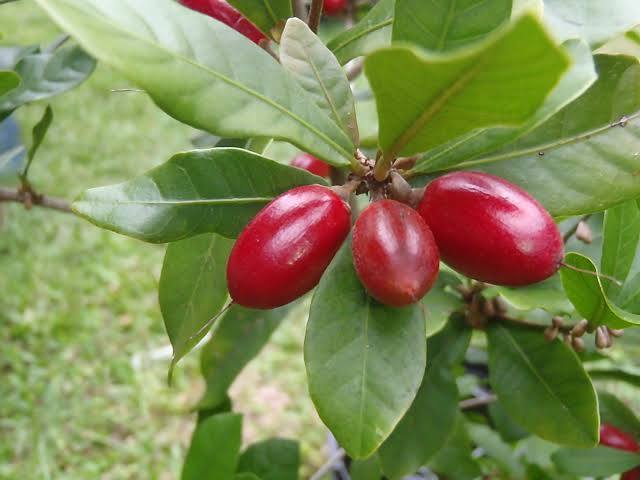
Popular articles about miracle fruit often focus on its nutrients and possible health benefits.[1] The clearest scientific point, however, is its role as a taste modifier. The fruit contains a glycoprotein called miraculin. Under acidic conditions, miraculin can make sour foods and drinks taste sweeter, with the effect and response varying by food, dose and individual taste sensitivity.[2]
That does not make miracle fruit a medicine, a substitute for treatment or a solution for managing disease. Claims about specific health benefits need cautious interpretation and should never replace advice from a qualified health professional. The educational value of the example is different: it raises the Food Science question of how ingredients, food conditions and human perception interact.
What is sensory science?
Sensory science is the scientific practice of eliciting, measuring, analysing and interpreting human responses to food through sight, smell, touch, taste and hearing.[4] When a team asks whether a drink is too sour, a yoghurt texture is acceptable or a new aroma works for consumers, it should not rely only on personal opinion.
Students can learn to plan discrimination, descriptive and consumer tests; choose a method that fits a research question; and interpret the resulting data for decisions. Sensory science has roles in product development, quality control and quality assurance.[4]
What do students learn in Food Science?
Food Science brings together chemistry, biochemistry, microbiology, processing and consumer understanding. At the University of Queensland, its Food Technology study area includes food composition and reactions during processing, preservation, shelf-life, food safety, quality assurance, sensory evaluation and product testing.[3]
This can lead to practical questions such as:
- How can a product retain quality during storage?
- How can safety and quality be tested?
- How can a new product be developed while considering regulation and consumer needs?
- How should taste-panel results and product-test data be interpreted?
Miracle fruit is only one ingredient that can spark curiosity. The discipline is broader: it is about making science-based decisions on food that is safe, consistent and fit for its intended purpose.
Is Food Science a good fit for you?
Explore this field if you enjoy Biology and Chemistry, are interested in food, and also like experiments, precision and problem-solving. You do not need to be a chef to enter Food Science. Depending on the programme and experience you choose, possible directions can include laboratory testing, product development, food microbiology, quality or regulatory work, and consumer research.[3]
Before selecting a university, check the current curriculum, laboratory facilities, sensory-science subjects, placement opportunities, prerequisite subjects, fees and entry requirements for your intended intake. Programme names and structures differ between universities.
FAQ: is Food Science the same as Nutrition?
Not exactly. Food Science commonly focuses on food materials, processing, safety, quality and product development. Nutrition focuses more on the relationship between food, nutrients, dietary patterns and human health. The fields can overlap, but their subject choices and professional pathways differ. Compare the degree structure, not only the programme title.
Want to turn your curiosity about food into an overseas-study plan? Contact RIM Education to discuss programme options and application requirements for your chosen university.
Sources
[1] https://www.halodoc.com/artikel/5-manfaat-miracle-fruit-buah-unik-kaya-nutrisi?srsltid=AYCX9vLL8fFQ_KY-WKLSPX35koJNkbSUg9Hv9K6OwG3ng77BmEJe7lY2 — Halodoc: 5 Manfaat Miracle Fruit, Buah Unik Kaya Nutrisi [2] https://pmc.ncbi.nlm.nih.gov/articles/PMC11489218 — Miracle Fruit, a Potential Taste-modifier to Improve Food Preferences: A Review [3] https://study.uq.edu.au/study-options/programs/bachelors-science-laws-honours-2472/food-technology-fotecc2472?year=2027 — University of Queensland: Food Technology [4] https://handbook.unimelb.edu.au/2026/subjects/food90028 — University of Melbourne: Sensory Evaluation