Behind Borobudur Marathon: Why Major Events Need Many Fields of Study
Managing a major running event is not an Event Management job alone. When thousands of participants move through a route, a team must connect experience design, field operations, safety, communication, tourism, data, sponsorship and community coordination. This is why a marathon is a useful real-world example of multidisciplinary event work.
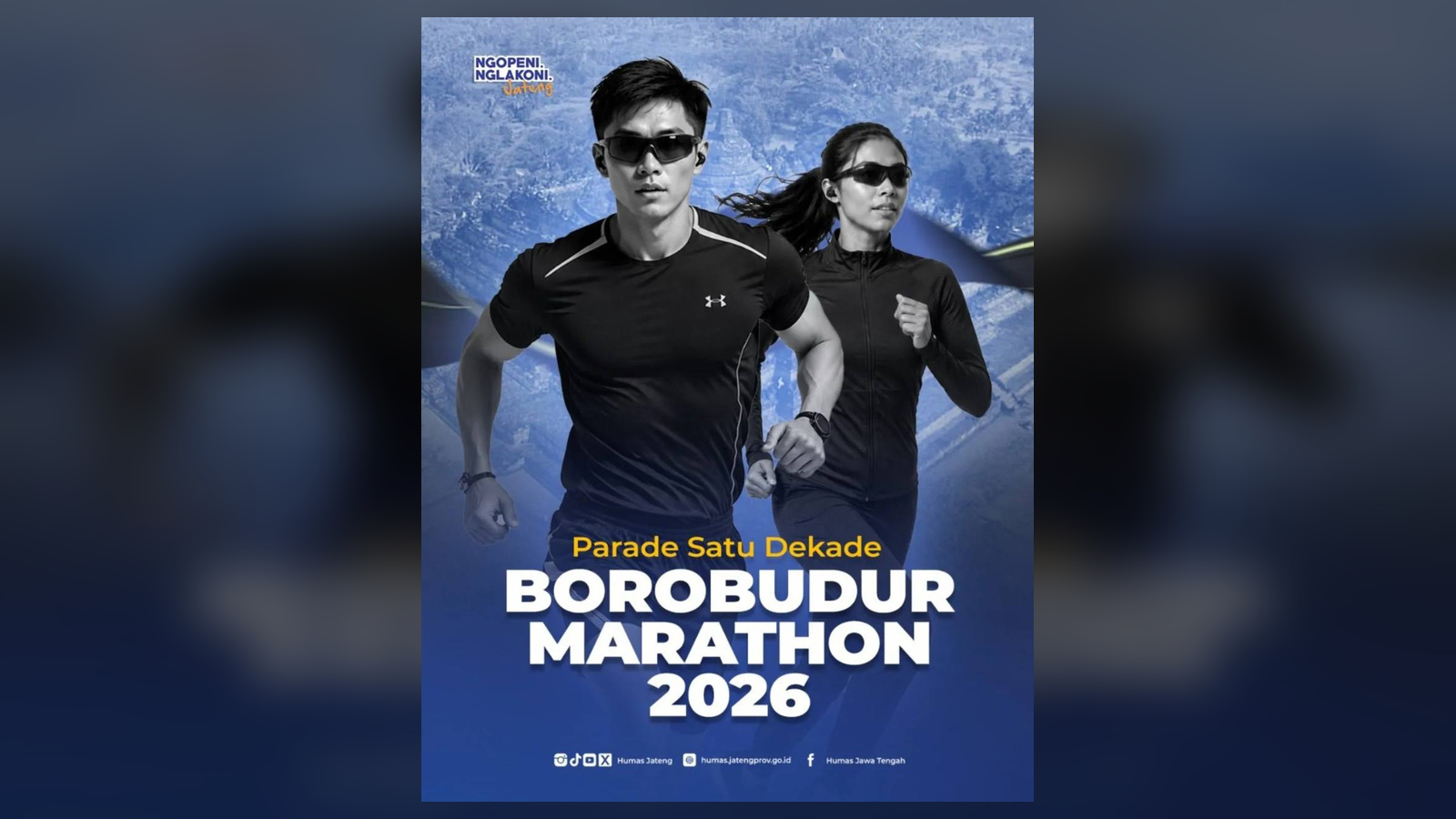
Kompas reported that Borobudur Marathon 2026 in Magelang had 12,500 participants across marathon, half-marathon and 10K categories. Marathon and half-marathon starts were split into several waves to help manage participant flow where routes overlap.[1] Borobudur Marathon’s official website presents 2026 as a decade celebration under the theme *Decade of Legacy*, highlighting runners, communities, volunteers and supporters as part of the event’s journey.[2]
For future students, the point is not to copy one event. It is to understand the different kinds of work that must happen together for an event to deliver an orderly, meaningful and responsible experience.
Why are major events always multidisciplinary?
No single degree can handle every part of an event. Teams need people who can shape a concept, build a schedule, understand participant flow, communicate with partners, manage information, evaluate results and work within real resource limits.
A seemingly simple decision—such as splitting start times—affects route design, staff, volunteers, participant information, transport, service points, documentation and contingency planning. Event management is therefore best understood as cross-functional work.
Which fields of study can contribute?
1. Event Management and Project Management
These fields help turn a concept into a work plan: timelines, role allocation, vendors, budgets, run sheets, coordination and evaluation. Students who enjoy organisation, detail and cross-team work may consider Event Management, Project Management or business programs with an events focus.
UQ’s Bachelor of Tourism, Hospitality and Event Management, for example, includes planning and staging events, designing and managing visitor experiences, project management, leadership and marketing. It also describes work placements, projects, behind-the-scenes tours and site visits as learning experiences.[3]
2. Sport Management and Sport Science
Sport brings a particular context to an event such as a marathon: race categories, athlete experience, competition rules, race-day needs and relationships with sporting communities. Sport Management can connect organisation, stakeholders, sponsorship and participant experience. Sport Science can be relevant where an organisation works with performance knowledge and participants’ physical needs, but it does not replace medical services or event safety protocols.
3. Tourism, Hospitality and Destination Management
An event in a destination is not limited to the start and finish line. Participant experience is also shaped by accommodation, food and beverage, transport, location orientation, guest service and the way a city receives visitors. Borobudur Marathon’s official narrative links the event with culture, community and a ten-year legacy.[2]
Tourism and Hospitality help future professionals see an event as part of a destination experience rather than a one-day product. These fields can also teach service management, visitor experience, sustainability and multi-stakeholder collaboration.[3]
4. Communication, Marketing and Creative Content
Participants need to know what information matters, when they need it and which channel delivers it. Communication teams turn complex operations into clear messages: registration guidance, schedules, briefings, change notices, community content and post-event communication.
Marketing and Creative Content help build an event identity, but the work is not simply poster-making. Students learn to adapt messages for audiences, keep information consistent, measure response and work within agreed brand and partnership boundaries.
5. Data, Information Systems and Digital Experience
Registration, participant data, category grouping, communication schedules, operational dashboards and post-event feedback all need orderly information systems. Data can help teams understand patterns without overlooking privacy and information security.
Relevant routes may include Information Systems, Business Analytics, Data Science, UX/UI or Digital Marketing, depending on whether you prefer building systems, analysing data, designing digital experiences or using insights for communication.
6. Operations, Logistics and Risk Management
On event day, plans must become action: entry flows, routes, equipment, service points, supplies, transport, radio coordination and responses to field changes. Operations and Logistics teach ways to map resources, time, location and dependencies.
Risk Management provides a framework for identifying potential disruption, setting mitigation and communicating plans clearly. At public events, safety and emergency services remain within the roles and procedures of authorised organisations; classroom knowledge does not automatically confer professional authority.
How can you choose a study path for event work?
Start with the type of problem you want to help solve:
- Enjoy planning and coordination? Consider Event Management or Project Management.
- Interested in sport, communities and competition delivery? Compare Sport Management and Event Management.
- Interested in visitor experience, destinations and service? Explore Tourism or Hospitality Management.
- Enjoy data, apps and digital flows? Consider Information Systems, Business Analytics or UX/UI.
- Interested in movement of people, things and field execution? Learn about Operations, Logistics or Supply Chain Management.
- Drawn to stories, brands and public communication? Compare Communication, Marketing and Creative Industries.
When comparing universities, check course structures, live projects, placement opportunities, facilities and how a program explains the limits of graduate competence. A degree can build foundations, but it does not guarantee a particular role, work placement or career outcome.
FAQ: Do I have to study Event Management to work on major events?
No. Event Management is a direct and relevant route, but major events also need professionals from sport, tourism, hospitality, communications, data, finance, logistics, design and other fields. Choose a degree based on how you want to contribute to a team, then seek relevant practical experience.
Next step
Interested in comparing Event Management, Tourism, Hospitality, Sport Management, Marketing or Information Systems for an event-industry career? Contact RIM Education to discuss programs around your interests, academic background and study plan.
Note: This article uses Borobudur Marathon 2026 as an educational context. Event information, participant numbers, route, timing and partners can change; check the organiser’s official channels for current attendance or operational information.[1][2]
Sources
[1] https://regional.kompas.com/read/2026/11/15/052100778/borobudur-marathon-2026-dimulai-ada-medali-khusus-edisi-10-tahun?source=headline — Kompas: Borobudur Marathon 2026 dimulai, medali edisi 10 tahun
[2] https://borobudurmarathon.com — Bank Jateng Borobudur Marathon official website
[3] https://study.uq.edu.au/study-options/programs/bachelor-tourism-hospitality-and-event-management-2473?year=2026 — University of Queensland: Bachelor of Tourism, Hospitality and Event Management