Care About the Environment? Degrees That Can Turn Concern into Expertise
Short answer: if you care about the environment, you do not need to choose a single degree called “climate change”. Different study pathways build different capabilities—from understanding ecosystems and designing technology to reading data and planning cities and resources.
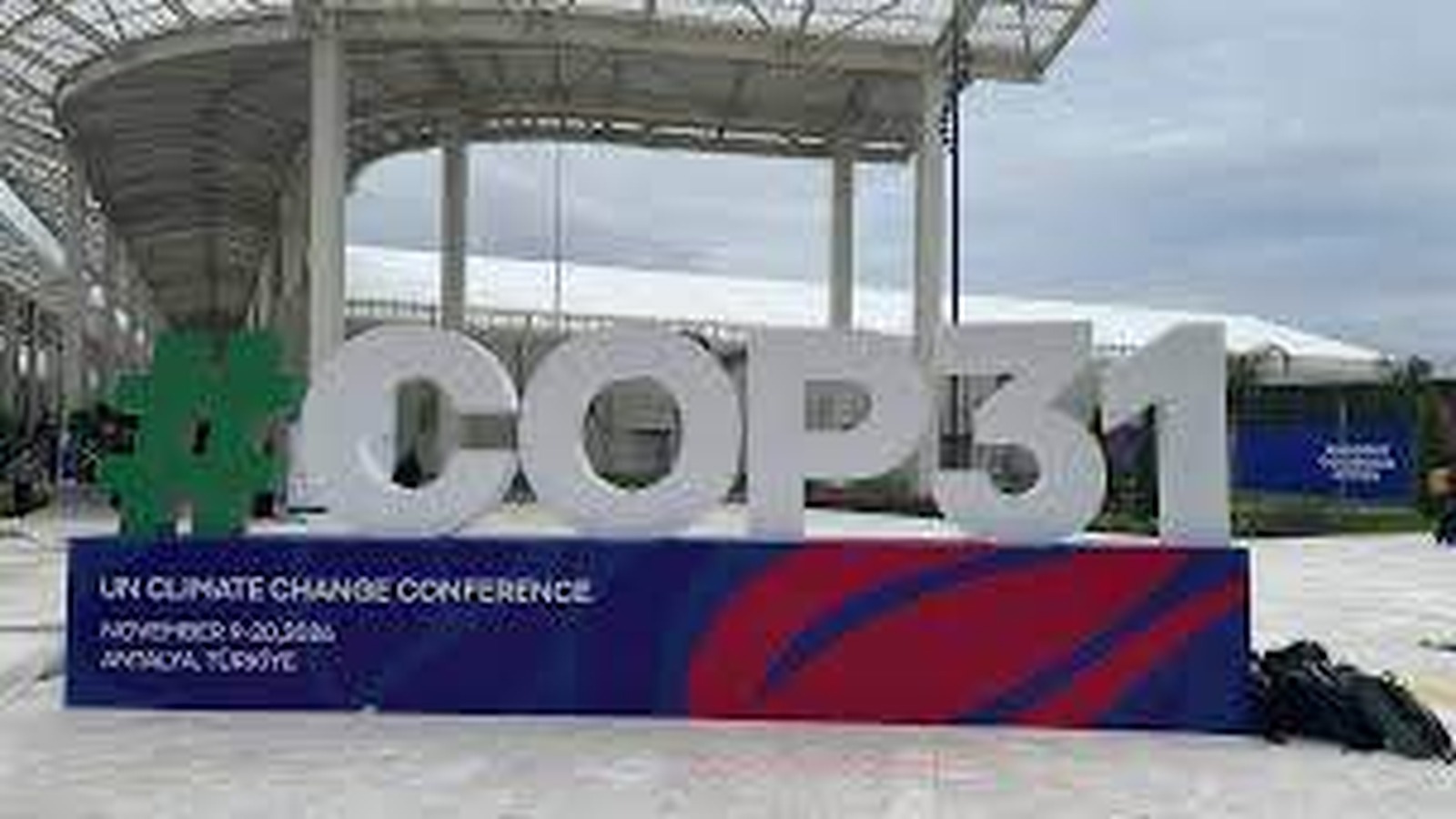
COP31 is scheduled to take place in Antalya, Türkiye, from 9 to 20 November 2026.[1] This article does not cover the conference’s negotiations or political positions. Instead, climate issues are a useful reminder that environmental challenges call for cross-disciplinary expertise and collaboration.
1. Environmental Science: understanding natural systems and impacts
Environmental Science can suit students who want to study relationships between people, ecosystems, land, water, the atmosphere and resources. This pathway commonly combines foundational science, field observation, research methods and evidence interpretation.
One example is ANU’s Bachelor of Environment & Sustainability, which links natural and social sciences with environmental conservation and sustainable resource management.[2]
You may enjoy this pathway if: you like biology, chemistry, geography, field observation or understanding the causes and consequences of a problem before designing a response.
2. Environmental Engineering: designing technical responses
Environmental Engineering focuses on designing, evaluating and improving technical systems related to water, waste, energy, environmental quality and infrastructure. It commonly requires a solid grounding in mathematics and physics.
You may enjoy this pathway if: you like structured problem-solving, calculations, systems design and seeing how scientific principles become testable technical responses.
3. Conservation, Ecology and Biodiversity: studying living systems
Conservation and Ecology pathways examine organisms, habitats, biodiversity and relationships within ecosystems. Learning may include field surveys, monitoring, data analysis and responsible management of areas or species.
You may enjoy this pathway if: you are drawn to wildlife, plants, oceans, forests or evidence-based conservation work. Caring about nature still needs to be paired with data, ethics and an understanding of local context.
4. Renewable Energy and Energy Systems: understanding the energy transition
Renewable Energy and Energy Systems can involve technologies and systems such as solar, wind, energy storage, electricity grids or energy efficiency. These pathways often sit within engineering, science or a combination of both.
You may enjoy this pathway if: you are interested in physics, technology, design or how an energy system works from source to user.
5. Urban Planning and Sustainable Cities: seeing environmental questions at city scale
Environmental questions also arise where people live: transport, green-space access, water, housing, flood risk and land use. Urban Planning explores how decisions about space and infrastructure affect everyday life.
You may enjoy this pathway if: you notice cities, maps, spatial design or mobility, or want to connect environmental questions with community needs.
6. Climate Data, GIS and Environmental Modelling: finding patterns in evidence
Many environmental questions need organised, interpretable data. Climate Data, Geographic Information Systems (GIS) and environmental modelling combine data, mapping, statistics, programming or modelling to help investigate patterns and scenarios.
You may enjoy this pathway if: you like mathematics, statistics, coding, digital maps and questions such as “where is change happening?” or “what evidence is needed before a decision is made?”
How do you choose the right environmental degree?
Start with three questions:
- Which issue do you most want to understand? Ecosystems, pollution, energy, cities, food or data?
- Which way of working do you enjoy? Lab and fieldwork, technical design, quantitative analysis, mapping or community-facing work?
- Which school subjects do you want to deepen? Biology and chemistry, mathematics and physics, geography, design or computing?
Do not choose only from a degree title. Read the course structure, look for projects or practical learning, and check whether the programme’s approach matches how you learn. ANU’s Environment & Sustainability programme, for example, describes an approach that brings together natural sciences, policy and social sciences; this shows how broad an environmental pathway can be.[2]
FAQ: Does an environmental degree automatically mean you can “save the planet”?
No. No single degree, profession or technology automatically resolves environmental challenges. University can build knowledge, methods and ways of working across disciplines. Real-world impact still depends on the work you choose, local context, collaboration and ongoing learning.
Next step
If you want to compare overseas environmental programmes based on your interests, school subjects and study goals, contact RIM Education. We can help you plan university options and application documents—without promising admission, a visa or a career outcome.
Sources
[1] https://www.un.org/en/climatechange/cop31 — COP31 – United Nations Climate Action
[2] https://science.anu.edu.au/study/bachelor-degrees/bachelor-environment-sustainability — Bachelor of Environment & Sustainability – ANU